NDIS Approved Disability Bathroom Renovations Brisbane
When a bathroom stops being easy to use, everything gets harder. A small step into a shower becomes a risk. A tight doorway becomes stressful. A vanity that is too low or too high turns simple routines into daily frustrations. Gold Star Bathrooms is NDIS approved for home modifications, and we build disability and NDIS bathrooms across Brisbane that are designed for safety, access and everyday comfort. The goal is simple. A bathroom that supports independence and still feels like a normal, welcoming part of the home.

Comple Bathroom Renovation
Master Builders Queensland Registered
Locally Owned & Operating Since 2005
NDIS-Approved For Home Modifications
QBCC Lisenced Builder


Why People Choose Disability and NDIS Bathroom Modifications
Most clients come to us because the bathroom no longer matches the person using it. Sometimes it is a sudden change after injury or surgery. Sometimes it is progressive mobility changes over time. Often it is a build up of small problems that finally become impossible to ignore. Slippery floors, tight movement space, a shower step, or a toilet position that is difficult to use safely. What we do is take those daily pain points and design them out of the room. We look at how the bathroom is used, what creates risk, and what would make it genuinely easier, not just technically compliant.
A well designed disability bathroom renovation is not about turning a home into something clinical. It is about making the space safer and more comfortable for the person who needs it, while still being a bathroom the whole household can use without feeling like they are stepping into a facility.
Enhance space and usability
Choose larger tiles to maximise the feeling
Tile colour and lighting to enhance warmth and feeling


From Quote to Completion




Access and Layout Design That Makes Everyday Life Easier
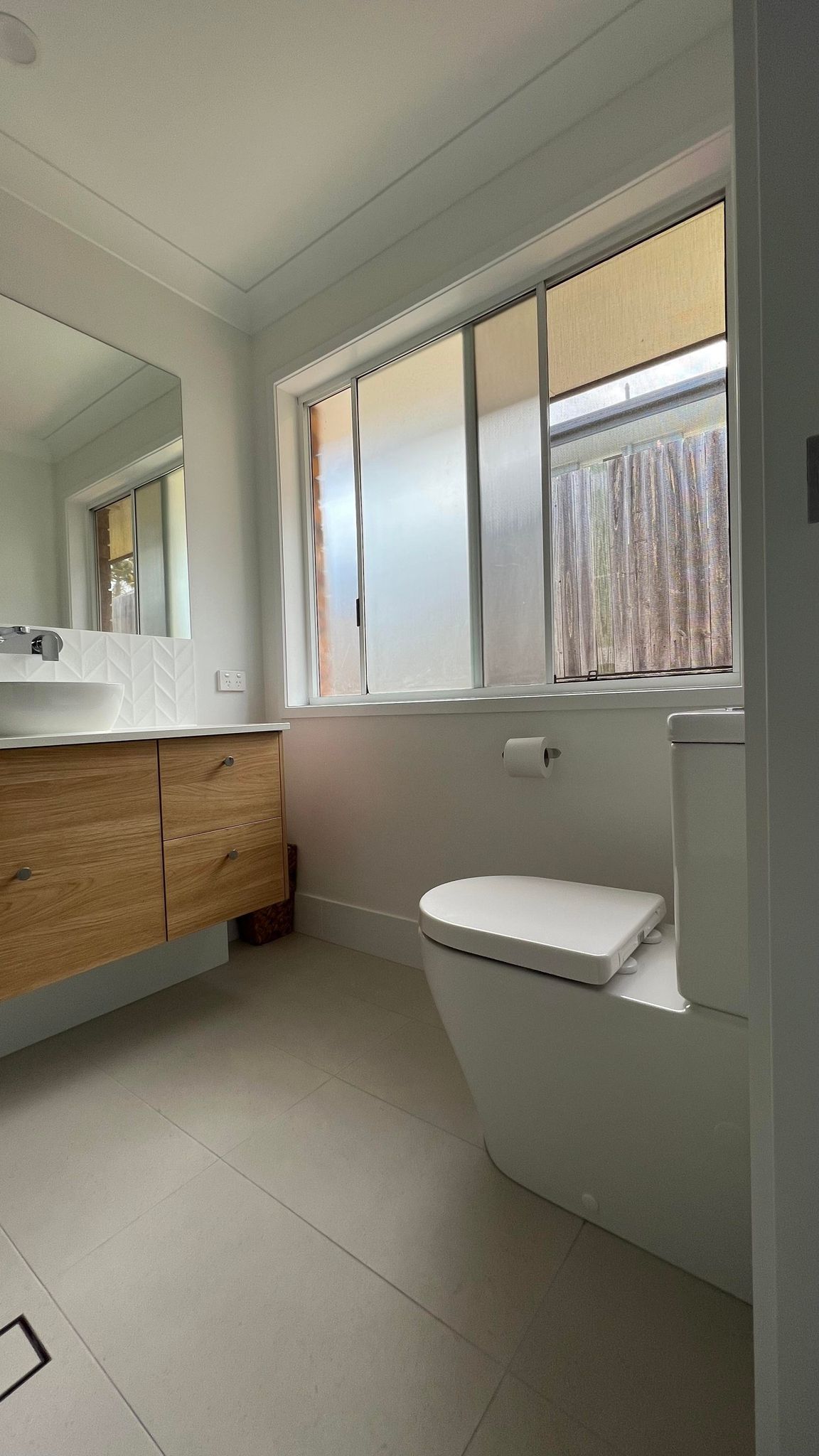
This is where experience matters. The difference between a bathroom that looks accessible and a bathroom that actually works comes down to layout choices. We consider entry, turning space, shower access, toilet placement, storage height, and how someone moves through the room. In many Brisbane homes, the biggest improvements come from changing the layout, not just swapping fittings.
Door access is a common starting point. Standard internal doors can feel tight when you are using mobility aids or need help from a support worker. Where the home allows it, widening the entry can make the entire bathroom feel calmer and easier to use. Inside the room, we often create clearer movement paths so you are not navigating around awkward corners or tight pinch points.
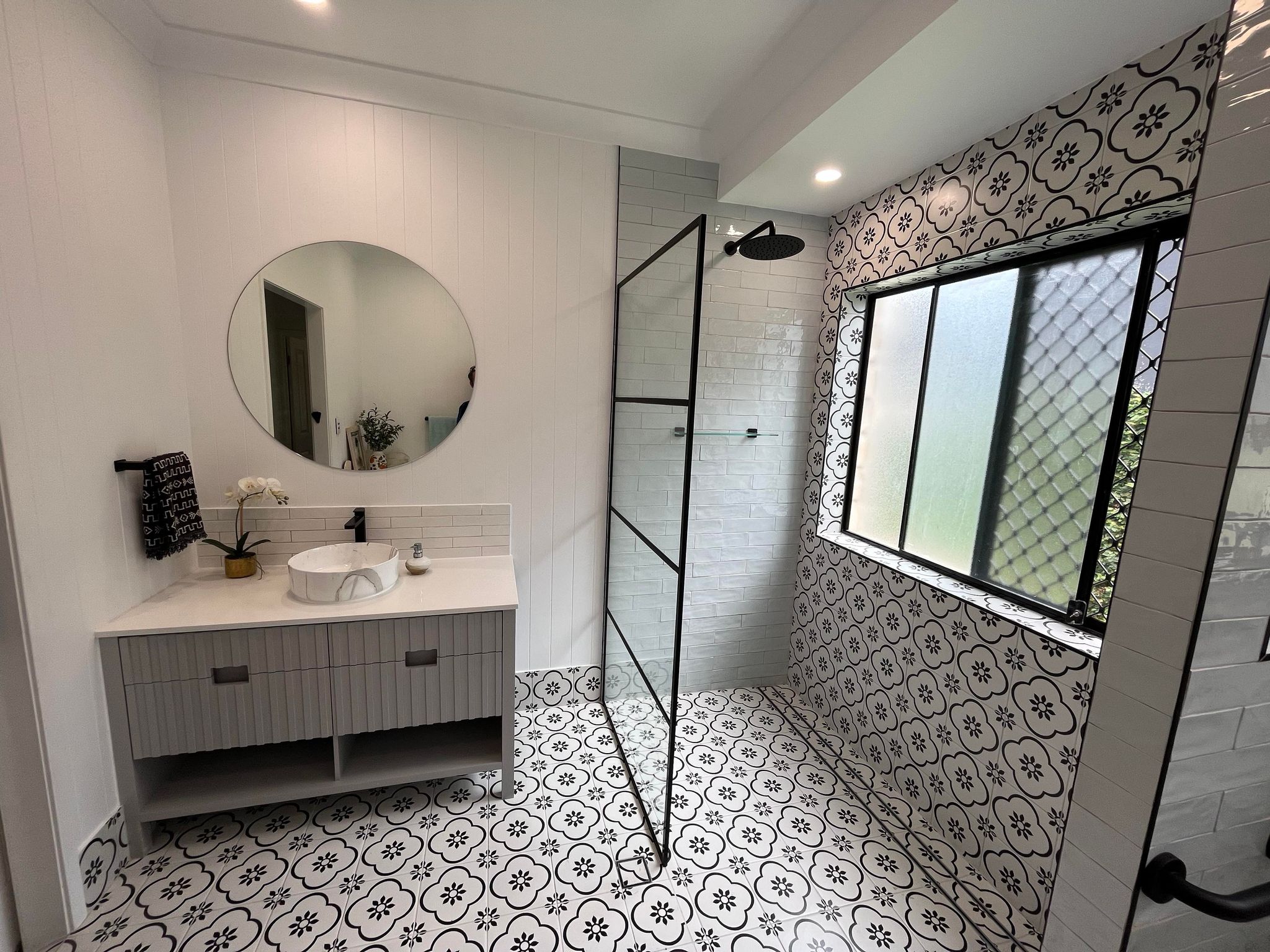
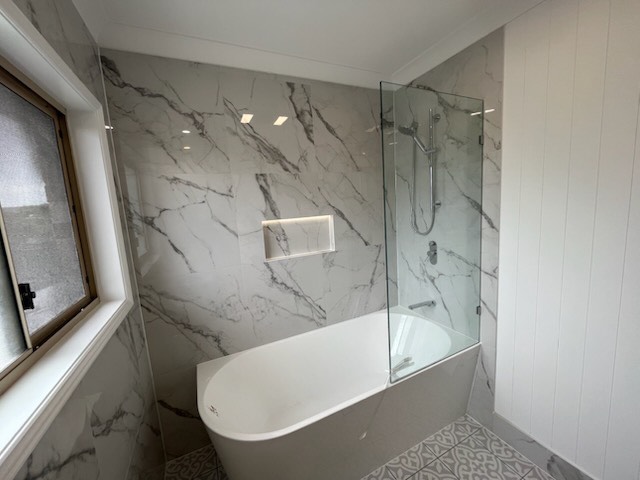
We also design wet areas that reduce trip hazards and create more usable space. An open shower zone can make the room easier to move through and easier to clean. Done properly, it still looks modern and feels comfortable for the whole family.
Easy online booking with instant confirmation
Same-day or 24-hour quotes in most cases
Personalised recommendations based on your needs
Practical Modifications That Still Feel Like Home
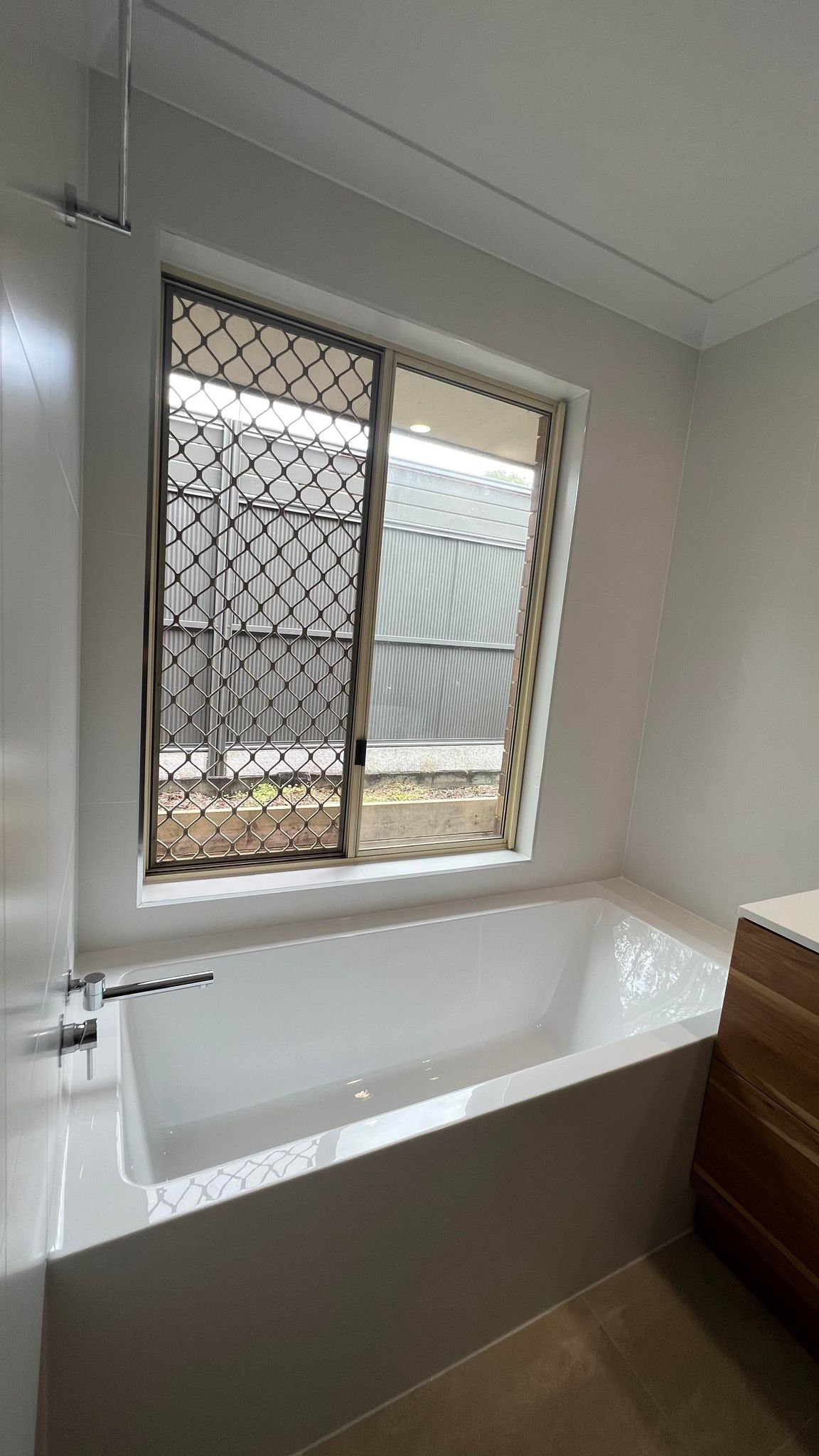
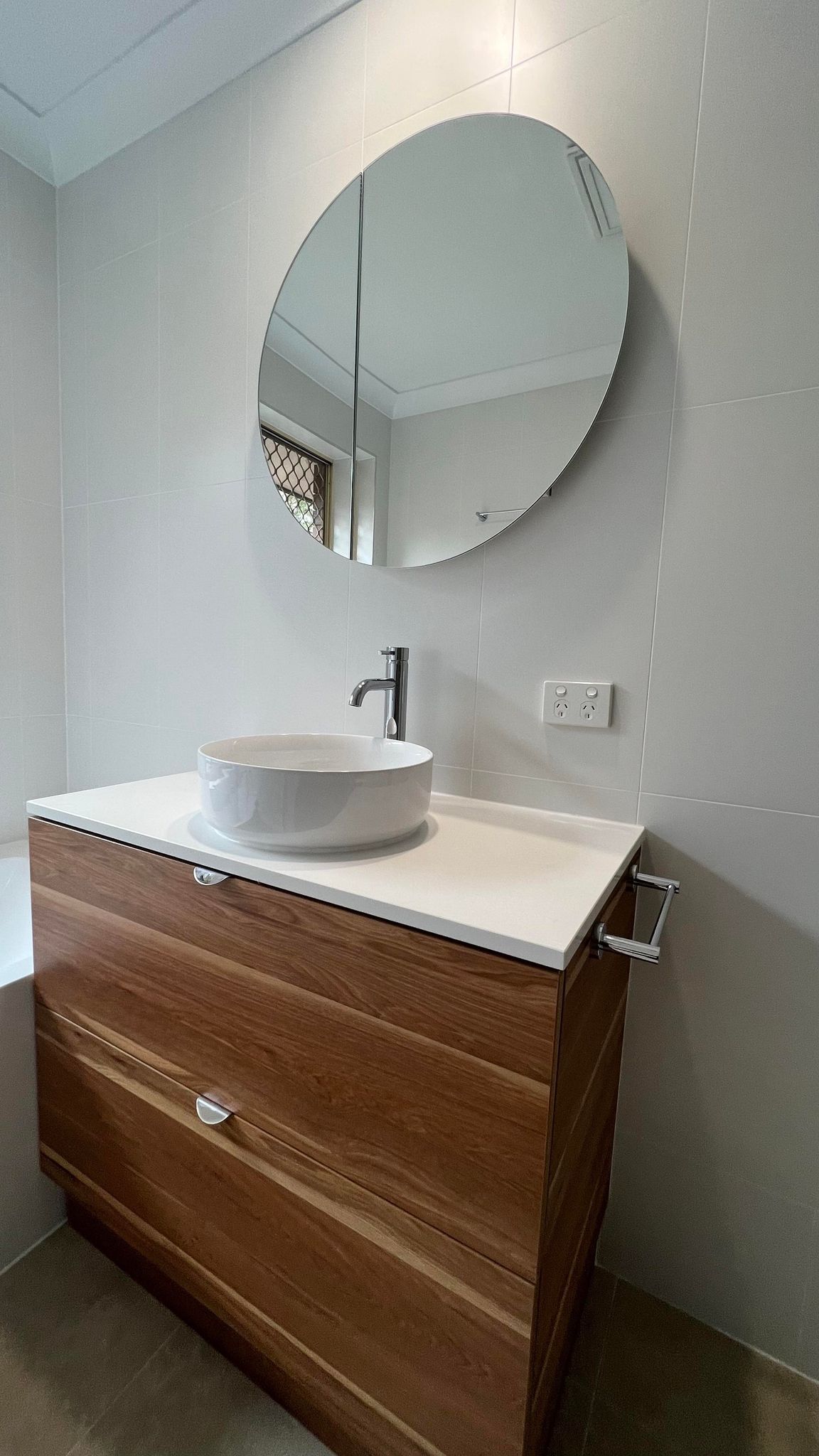
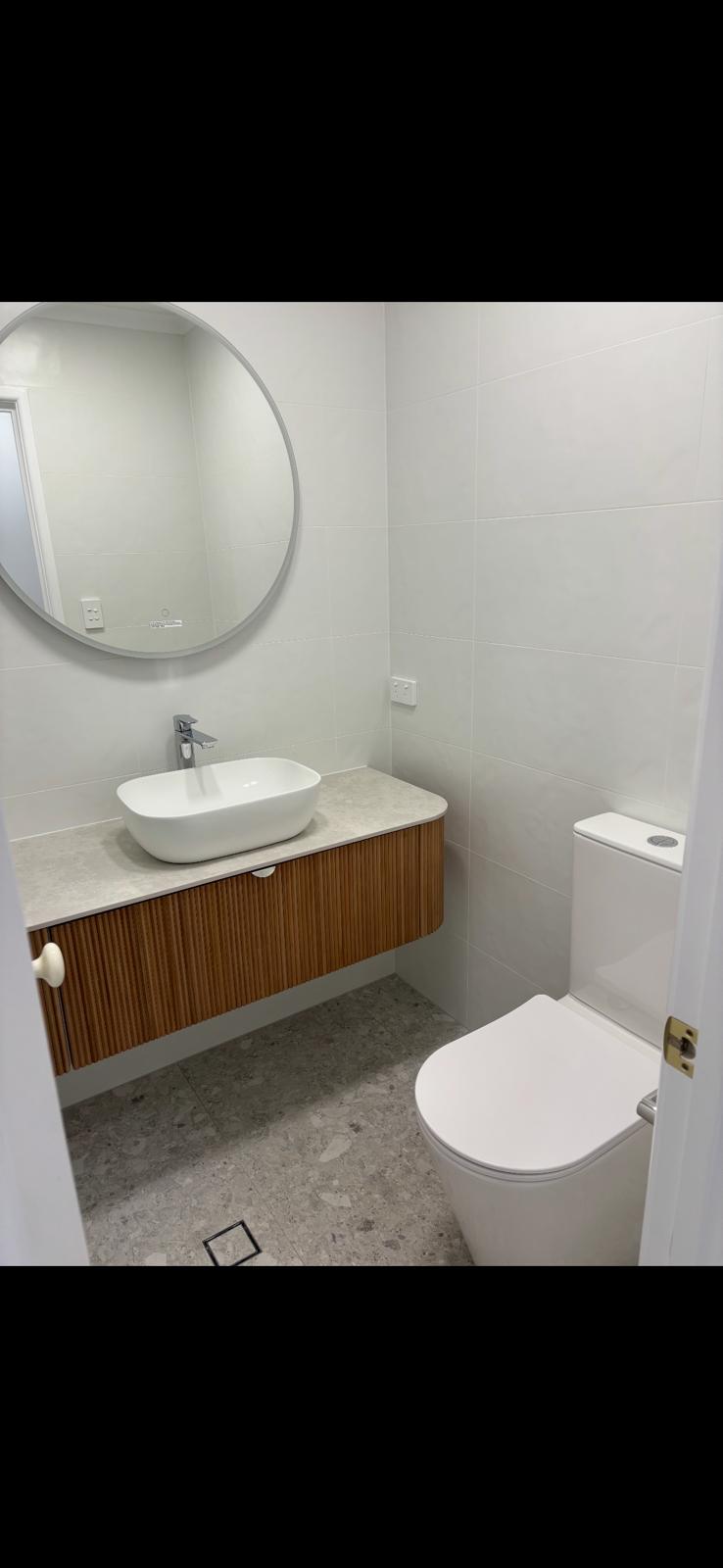
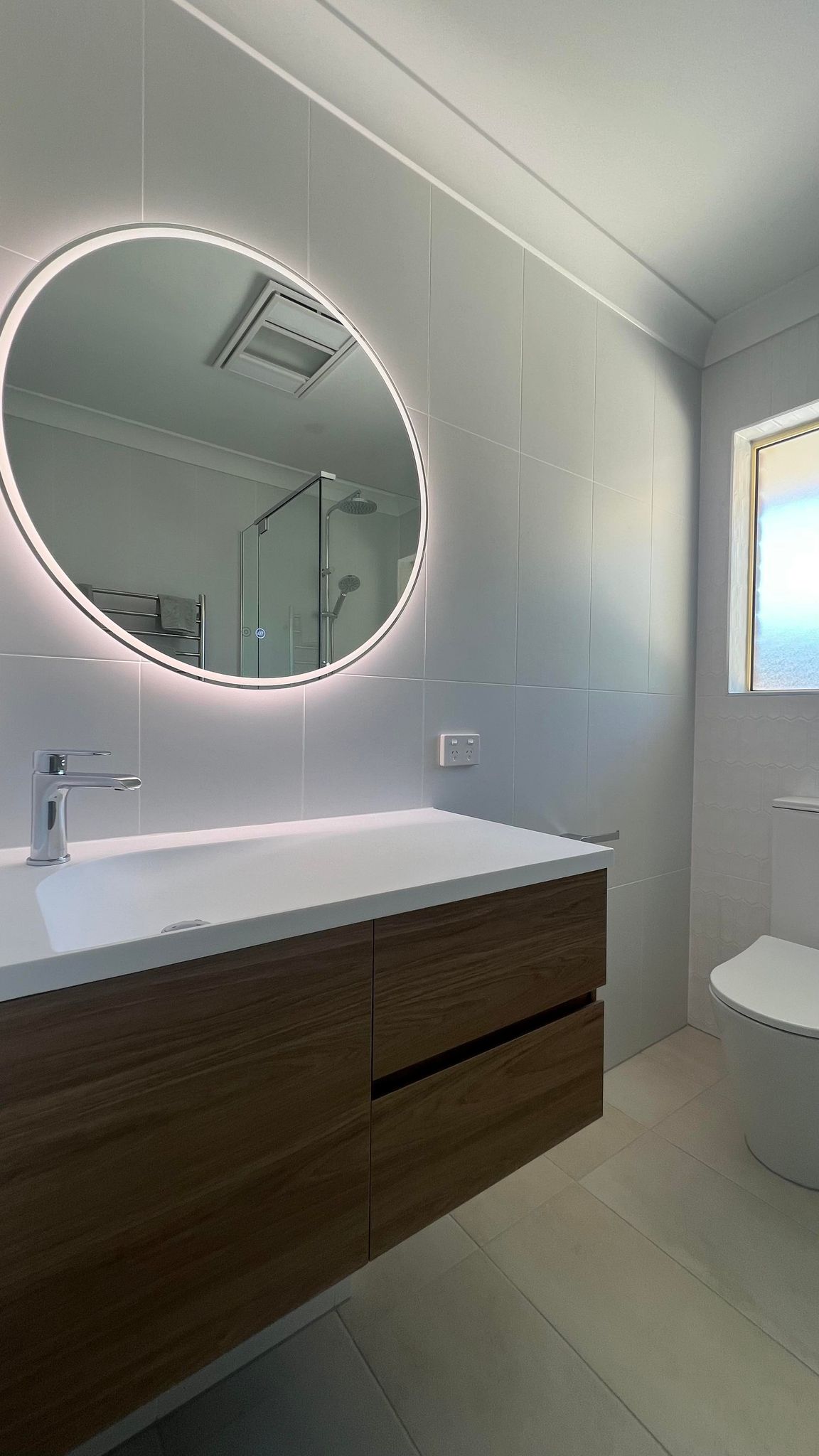
Most people want the bathroom to be safer, but they also want it to feel like their bathroom. That is a fair expectation. We help clients choose finishes and fittings that look clean and modern, while also being practical for daily use. The goal is comfort, dignity, and ease.
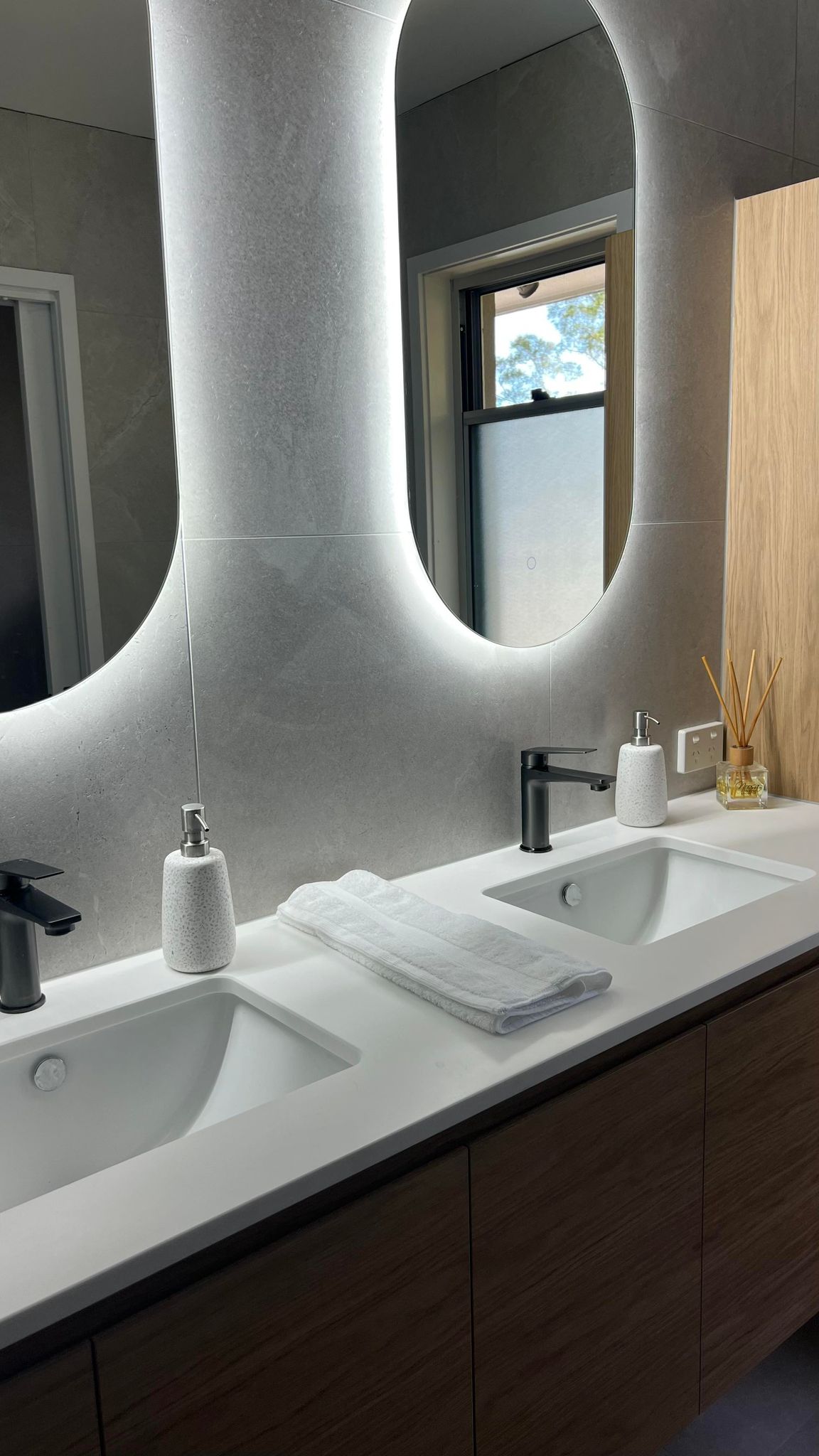
Raised or adjusted vanity height is a good example. A vanity that suits the user can make daily routines much easier and reduce strain. Storage can also be planned so essentials are reachable without bending, stretching, or rummaging through low cupboards. Lighting matters too, because a well lit bathroom reduces risk and makes the space feel more welcoming.
We also think about the little things that cause frustration. Shower controls that are hard to reach, towel rails that are in the wrong spot, mirrors that do not suit the user, or a layout that forces awkward movement. Those details are where a renovation starts feeling genuinely supportive.
Safety First Construction With Correct Waterproofing and Drainage
In disability and NDIS bathroom renovations, safety is not only about rails and layouts. It is also about building the bathroom properly so it stays safe. Waterproofing, drainage, and floor falls matter. If water is not controlled, wet floors become constant hazards and long term moisture problems can damage the home.
We take a construction led approach to these bathrooms. We look at how water moves through the space, how the shower zone drains, and how flooring transitions are handled. This is especially important in open wet area designs where the room needs to perform properly under daily use.
We also understand that many Brisbane homes have older bathrooms that have been patched over time. A proper renovation is the opportunity to fix underlying issues, not just cover them with new tiles.
A Clear Process That Respects Your Timeline and Routine
Renovating a bathroom is disruptive, and when the bathroom is needed for daily support, that disruption matters even more. We keep the process structured and clear. Once your project is booked, we use project management scheduling to provide definite timeframes so you know what is happening and when.
A standard bathroom renovation with good access typically takes around three weeks from start to finish. When a disability bathroom requires structural changes, such as shifting walls, altering doorways, or reworking plumbing, it can take longer. The key is clarity upfront. We talk you through the likely scope early so you can plan properly.
Custom layouts designed for your specific space
Solutions that balance usability, storage and style
FAQs Disability and NDIS Bathrooms
Are you NDIS approved for home modifications
Yes. Gold Star Bathrooms is NDIS approved for home modifications. If you are working with a plan manager or support coordinator, we can align with the approved scope of works for the bathroom.
What are the most common problems you see in existing bathrooms?
The most common issues are tight doorways, poor movement space, shower steps, slippery surfaces, and layouts that do not allow safe transfers or assisted use. Many bathrooms also have poor ventilation or drainage which increases risk and long term maintenance issues.
Can you widen the bathroom door for easier access?
In many homes, widening the doorway is possible, but it depends on the wall type and layout. Where it can be done safely, a wider entry can make a major difference to day to day use and reduce stress when entering the space.
What layout changes make the biggest difference?
Open, step free shower areas, improved circulation space, and repositioning key fixtures like the toilet and vanity can make the room easier and safer to use. The best layout depends on how the bathroom is used and what support is needed.
Can the bathroom still look modern and feel normal?
Yes. The bathroom can be designed to support safety and access while still looking clean and modern. The aim is for it to feel like part of the home, not clinical.
How long does a disability or NDIS bathroom renovation take?
A standard renovation with good access typically takes around three weeks. If structural changes are needed, like shifting walls, altering doorways, or dealing with tricky access, it can take longer. Once booked, you will receive a project schedule with definite timeframes.